What’s Your Landscape Design Style?
Landscaping is a fantastic way to upgrade your home’s exterior. Done right, it improves curb appeal and enhances your enjoyment and the functionality of your outdoor environment.
And, like the clothing and home décor you choose, landscaping also provides an excellent opportunity to express your personal style. You may have inherited an already established landscape design when you moved into your home. Or you may have previously defaulted to a style that you thought suited your home’s exterior style.
While matching the style of your home may be a factor you want to consider, the design can be updated to better reflect your personal style as well.
If you haven’t given much thought to your landscaping style, we’ll outline the major styles, their differences, and their defining elements. When we get right down to it, there are really only two principal styles – traditional and contemporary (or “modern”) – with many substyles that can play a role in the overall design.
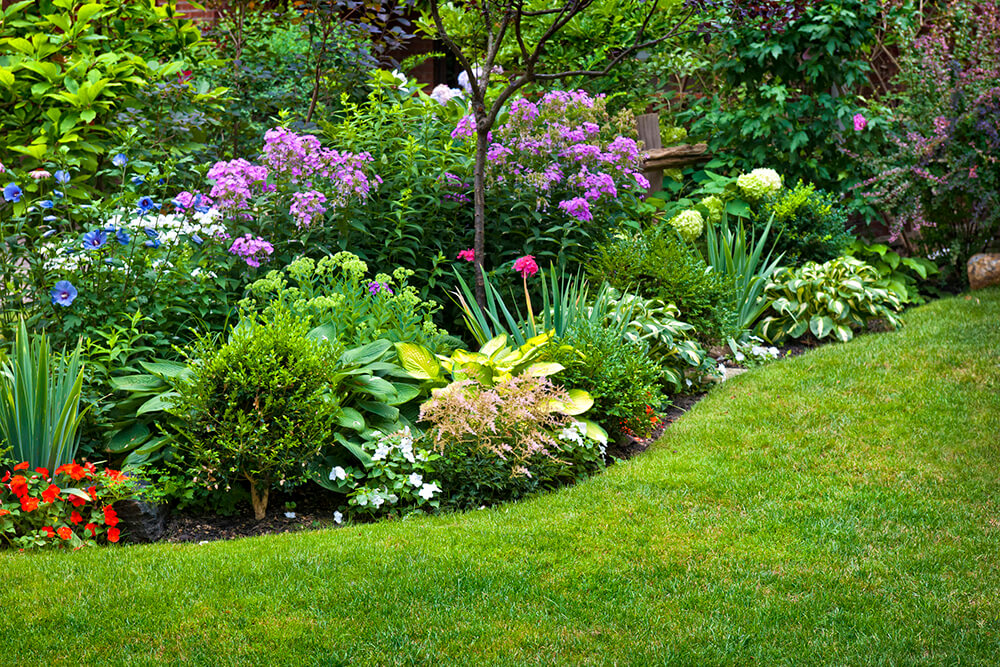
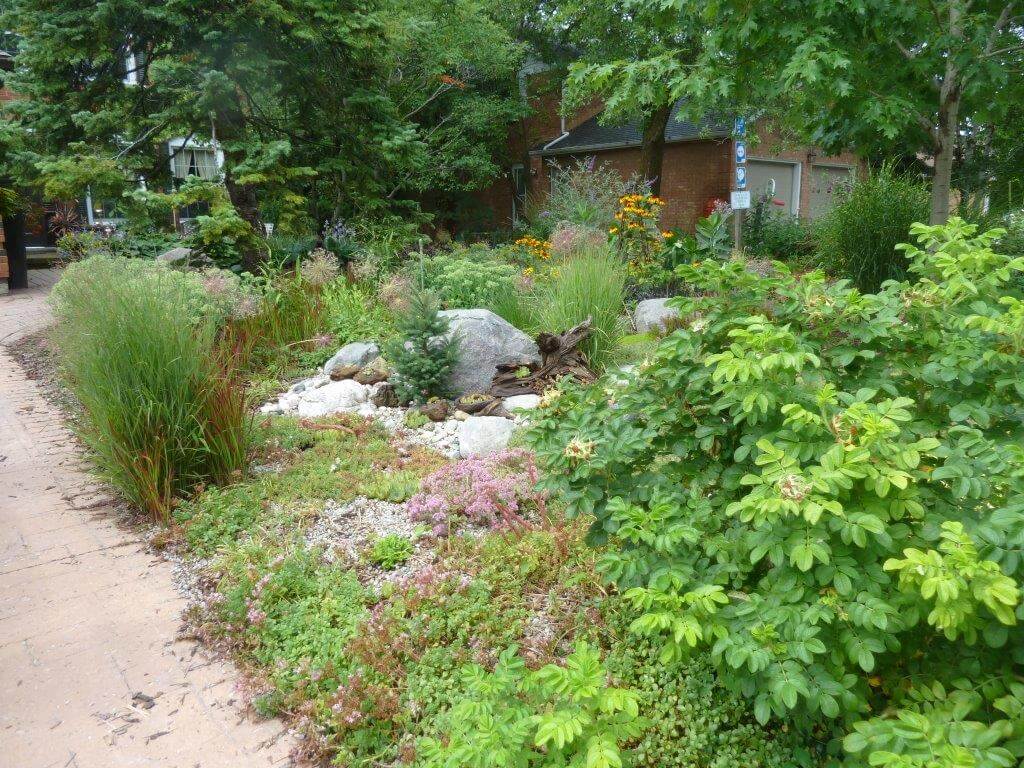
An example of a traditional garden design overflowing with a mixture of native plants and flowers
Traditional Landscape Design
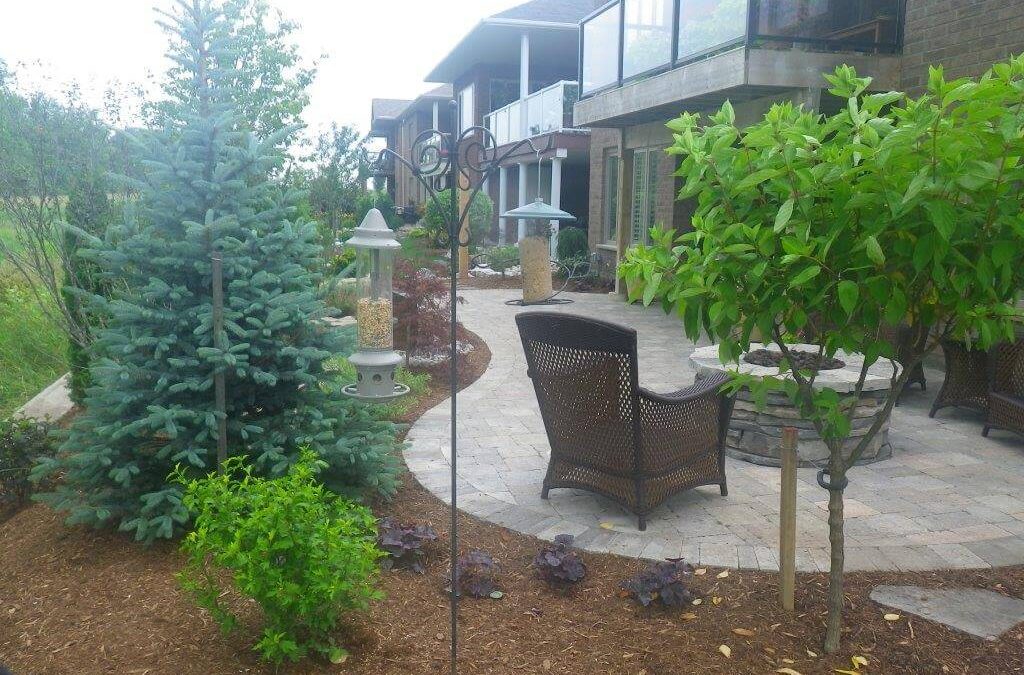
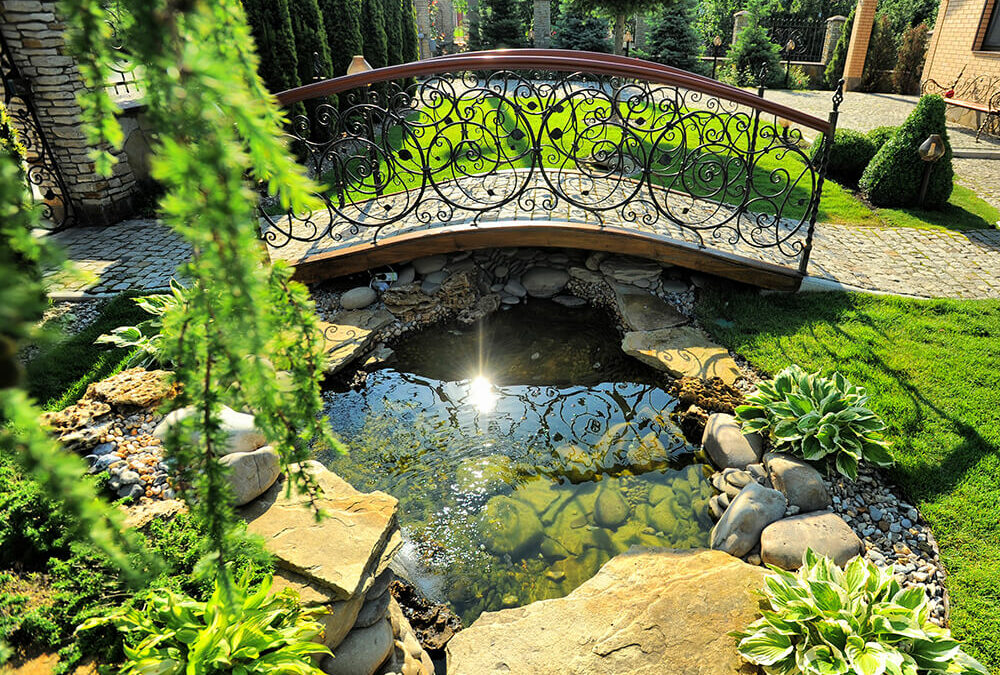
The traditional landscaping style tends to be associated with soft or curved lines, more rustic, textural materials in muted, mottled tones, and a balanced mixture of softscaping, hardscaping, and water elements that create a relaxed, laid back atmosphere. More often than not, traditional landscape design tends to be associated with the “informal” style. Because of its more free-flowing lines, a traditionally designed landscape can be more desirable for those wanting a lower maintenance outdoor living area.
Contemporary Landscape Design
On the other end of the spectrum, modern landscape design employs straight lines, clean edges, and sharp angles. Contemporary landscapes offer steep contrast in colour, with lots of symmetry in the shape and size of its elements. Hardscaping materials tend to be flat with a matte or polished finish. These attributes lend to what is generally considered a more “formal” style and also tend to demand more work to maintain the shapes and symmetrical appearance.
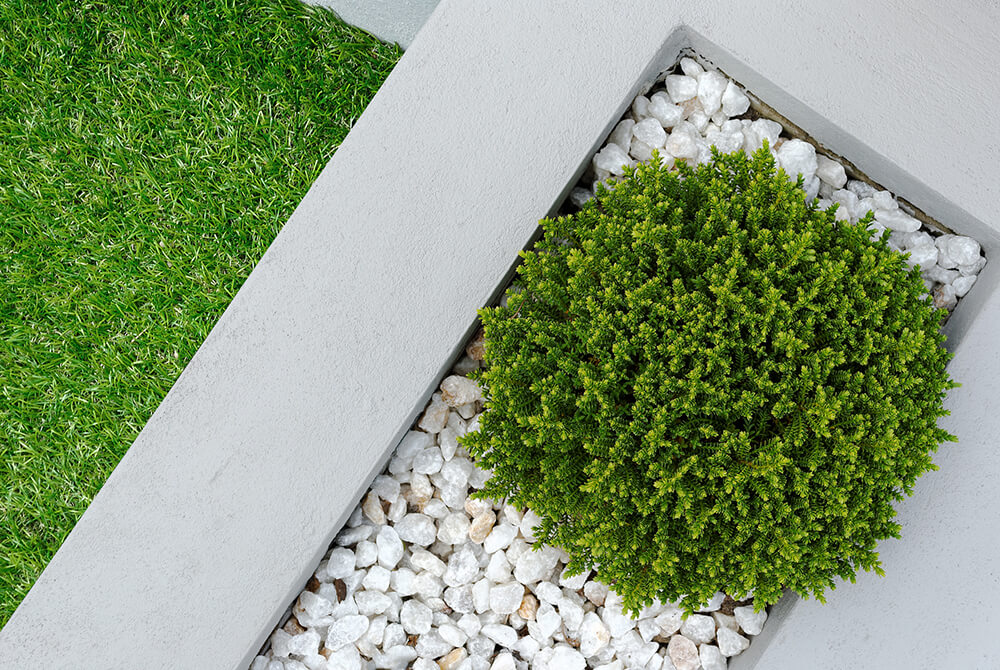
Elements of modern landscape design – clean lines, right angles, and monochromatic colour scheme
Generally speaking, while most landscape designs may primarily be classified as traditional or modern, they really fall somewhere in between. Besides your personal style, here are many good reasons for a hybrid design, including:
- Soil conditions and light exposure
- How you use your yard
- Your proclivity for garden maintenance
- Your home’s exterior style
Substyles and Themes
If you don’t want your yard to be purely traditional or one hundred percent contemporary, below are a few substyles/themes you can work into your design.
Native
Plants and trees are indigenous to Ontario/Canada. These not only attract birds, bees, butterflies, and other native wildlife, but also tend to require less maintenance because they’re well-adapted to our climate.
Xeriscape
This type of landscaping reduces or eliminates the need for supplemental watering through the use of above-ground or underground water collection and circulation techniques in conjunction with more drought-tolerant plant and tree varieties.
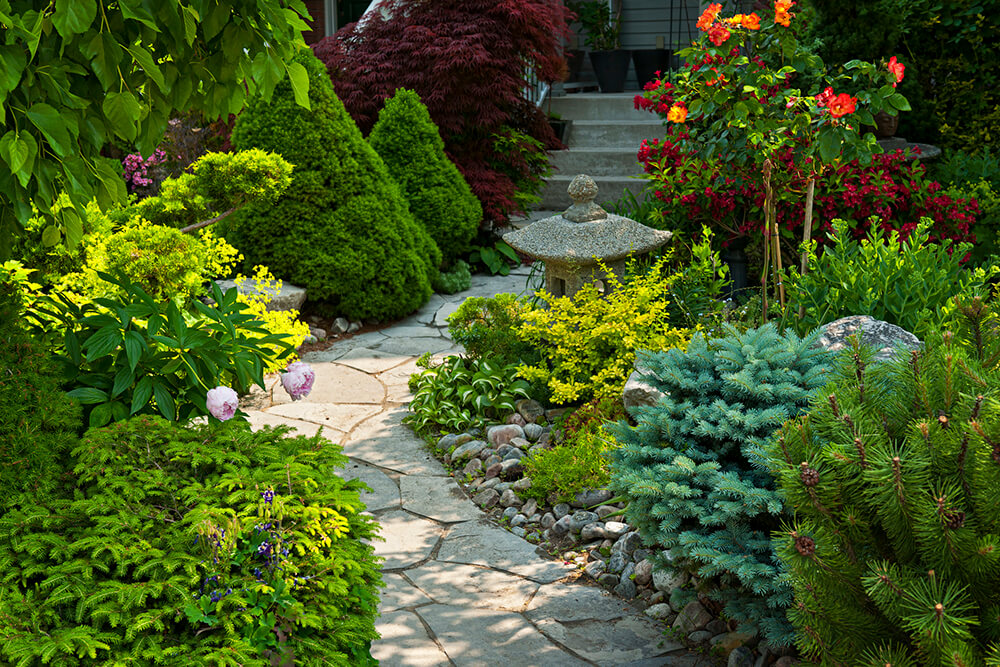
An example of Asian-inspired traditional landscape design with flagstone walkway
Asian-Inspired
Elements can include a pergola, gate, trickling water feature, ornamental grasses, koi pond, walkway or labyrinth, and soft lighting.
English Garden
Lush green lawns with one or more sitting areas among large, colourful gardens, overflowing with flowers, plants, and trees that attract a range of pollinators.
Natural/Organic
Plants and materials are sustainably sourced and managed. Can be easily combined with Native and/or Xeriscape themes.
Rustic
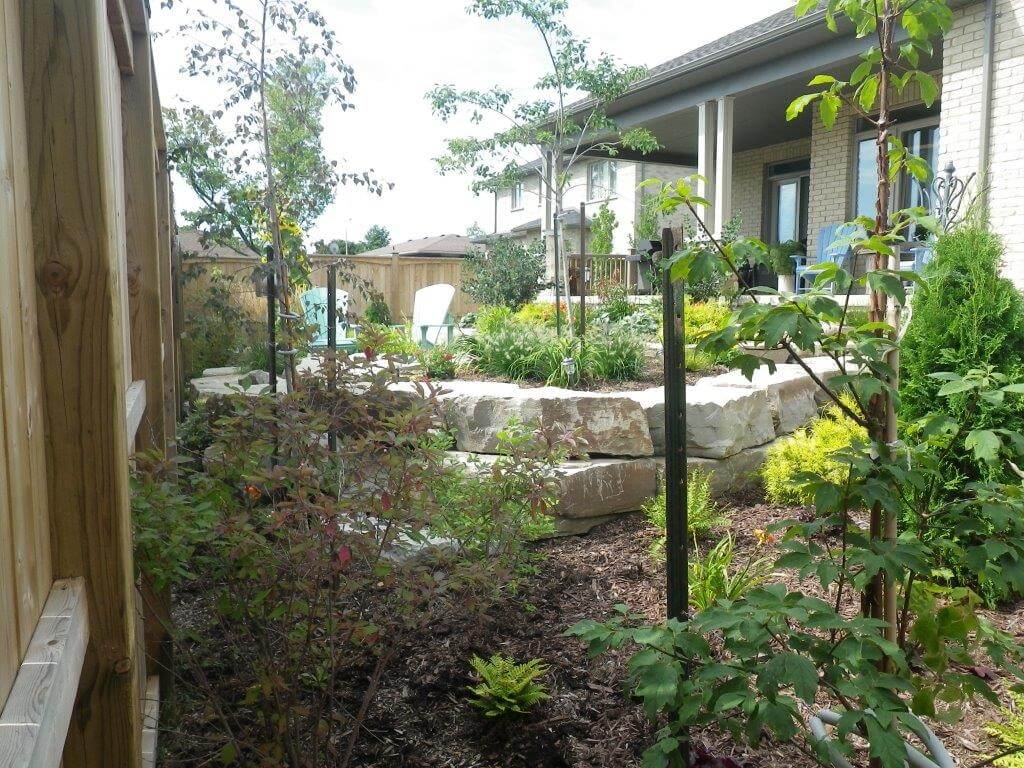
Incorporates wood and natural stone into decks, patios, walkways, fencing, sheltering structures, and retaining walls.
So, what’s your landscape style? Hopefully, this guide has provided some insights. If you’re having trouble deciding, we’re just a call or email away.
 COST
COST DURABILITY
 PRACTICALITY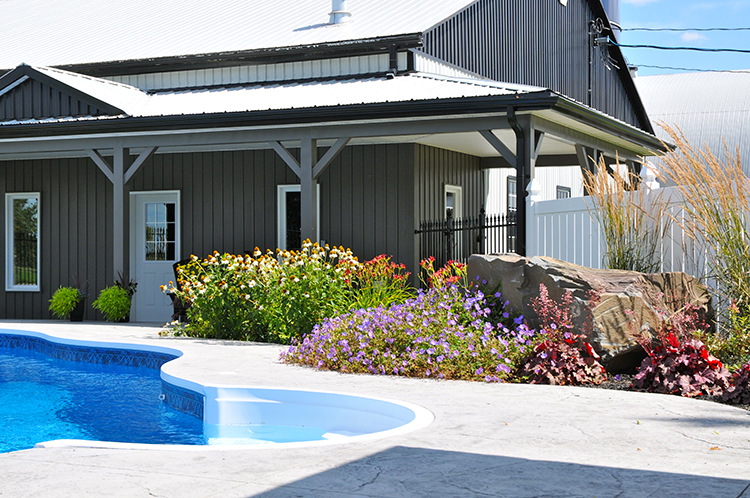
 This is your invitation to have a big “blue sky” session. Include others who will also be using the finished space and note all wants and needs.
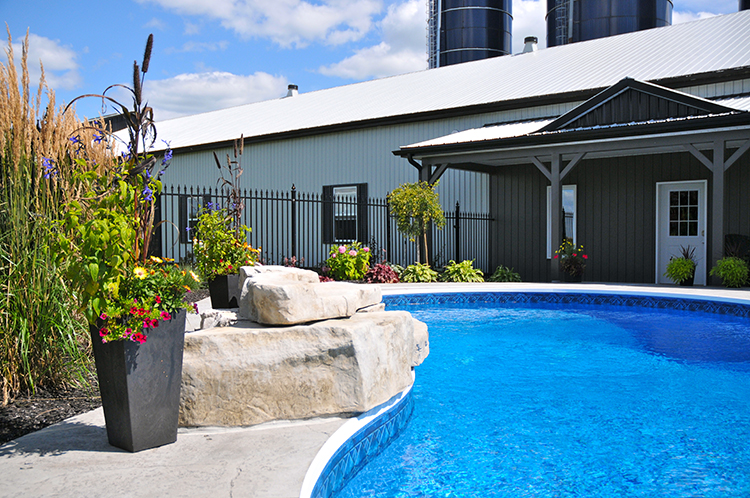
  This step incorporates more practicality into your plan. Take some time to think about how you will be using your finished backyard. Talk to other pool owners about the things they love most about their yard and perhaps what they would have done differently if they could do it again.
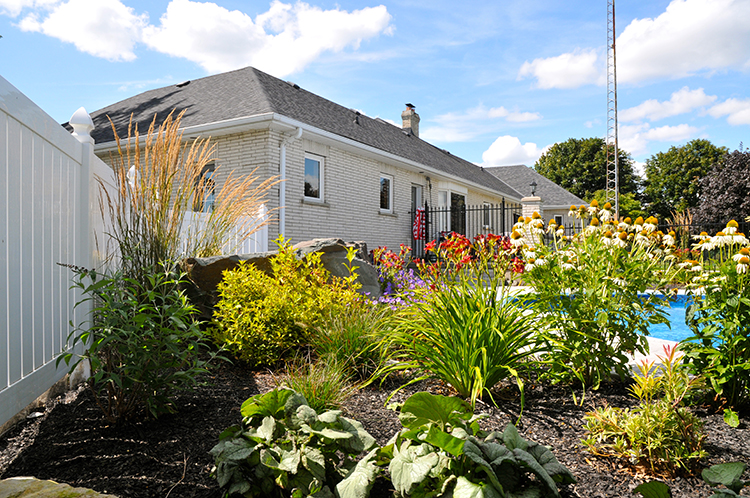
 From modest to unlimited, we work with all kinds of budgets. And we’ll be happy to work within yours while showing you how to maximize the return on your investment without compromising your entire vision.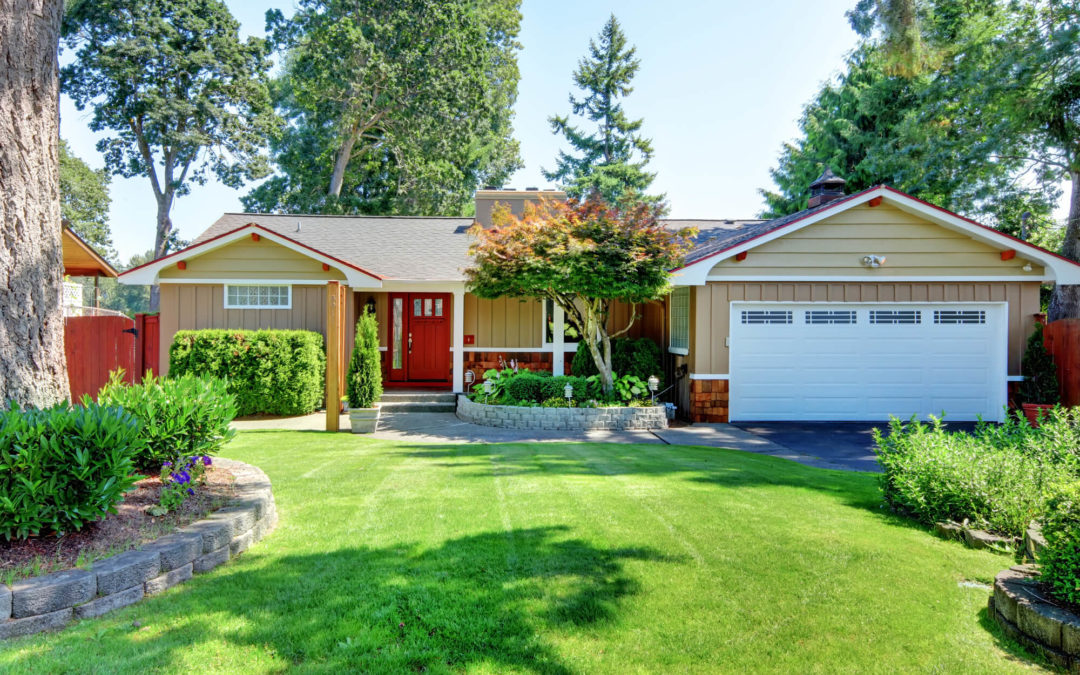
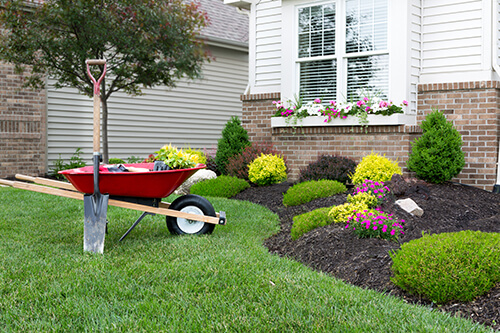 If your home has a grass-dominant greenspace in front, keeping your lawn neat and tidy is a no brainer for improving and maintaining curb appeal. Keep grass cut to a consistent length, but not too short as doing so can cause undue stress and increased exposure to weeds and pests. Edging your lawn along walkways, gardens, and your driveway provide a nice, polished appearance as well.
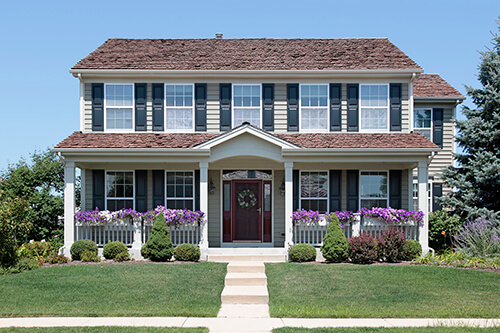 Fill in flat, exposed areas of your home’s exterior with shrubs, ornamental grasses, and small trees. This will add depth, balance, and visual interest to areas that were previously a blank canvas. Remember not to obstruct windows.
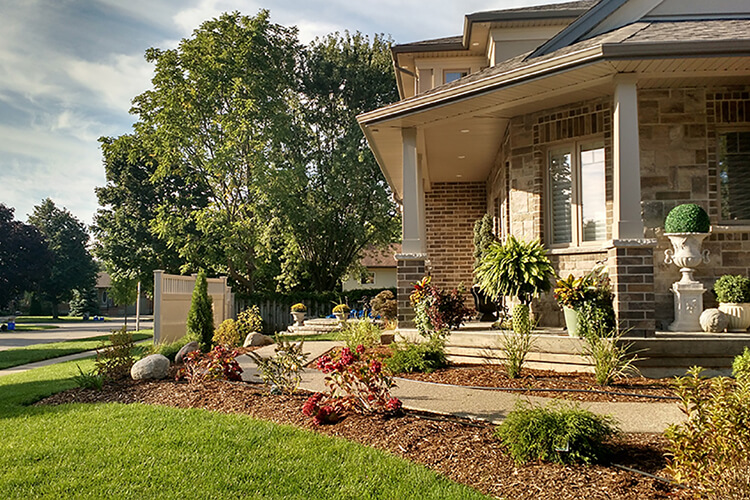 Consider replacing your asphalt driveway with a professionally-installed stamped concrete or natural paver driveway. This area of your front yard is highly visible from the street and sidewalk, so making it visually interesting not only adds curb appeal but also distinguishes your home from others in your neighbourhood.