Landscaping a Small Backyard
Do you have a small backyard? Do you feel like you don’t have enough room to landscape it the way you want? Don’t worry, we have some strategies for you! In this blog post, we will discuss how to add plants and shrubs for privacy and visual appeal, how to add a small patio for relaxing and entertaining, and how to create balance with colour, size and shape. We will also discuss low maintenance landscaping options. So, whether you have a small city backyard or a country cottage yard, we have the perfect tips for landscaping a small backyard.
Make the Most of a Small Space
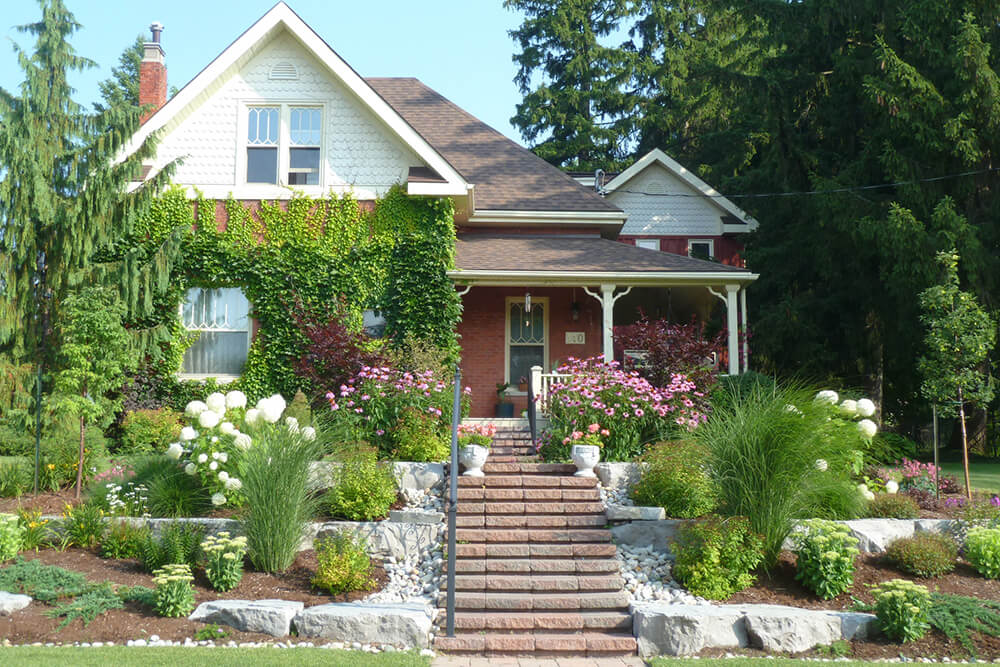
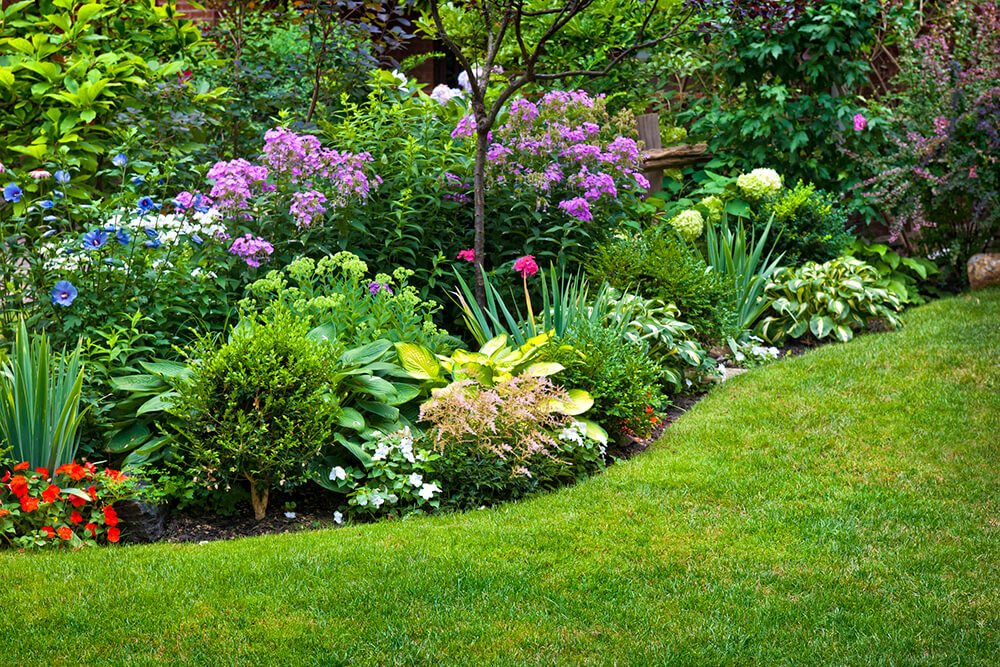
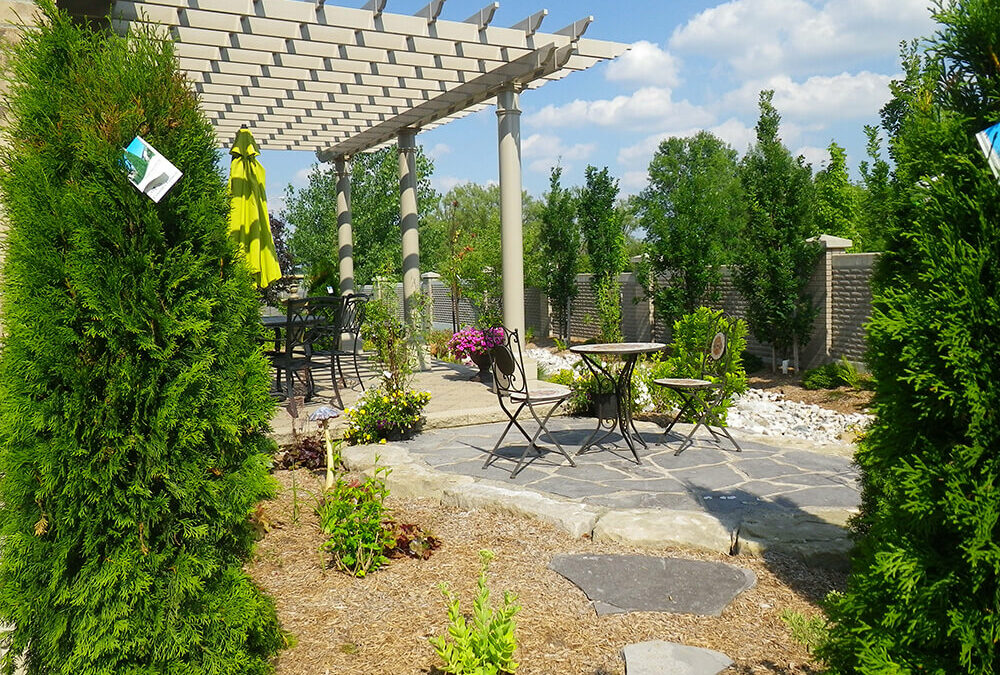
 When it comes to landscape design for small backyards, the key is to maximize the space and make the most of what you have. Start by adding plants and shrubs that will provide both privacy and visual appeal. Choose plants with varying heights and colors to create a lush landscape.
Make sure to consider the size and shape of your yard when selecting plants. Tall, thin trees may be best for narrow spaces and can be balanced with the addition of compact, low-growing shrubs, ornamental grasses, and other perennials.
Make Your Small Backyard Livable
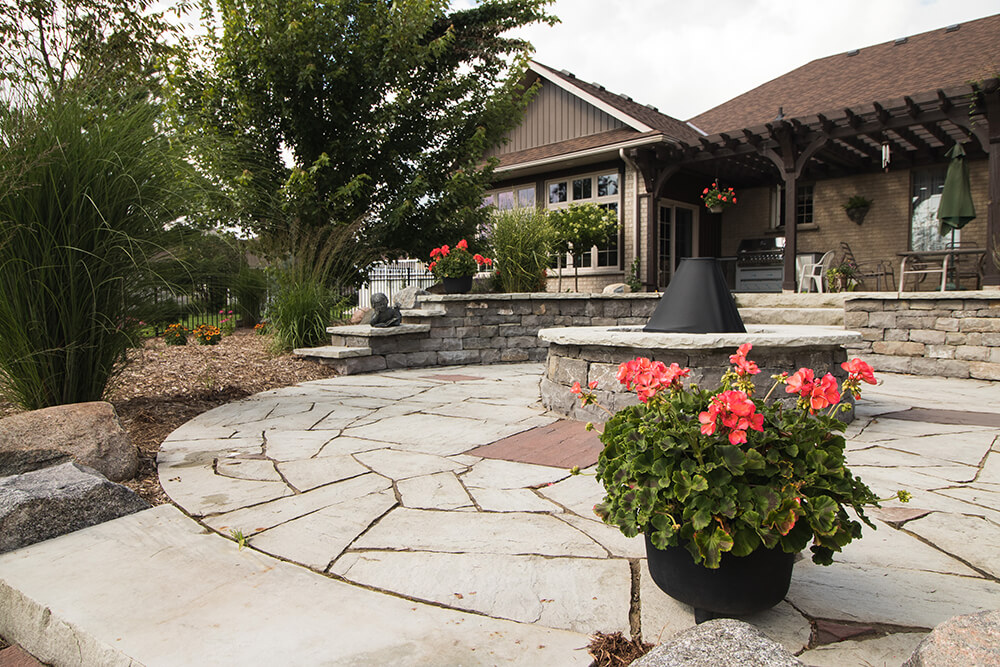
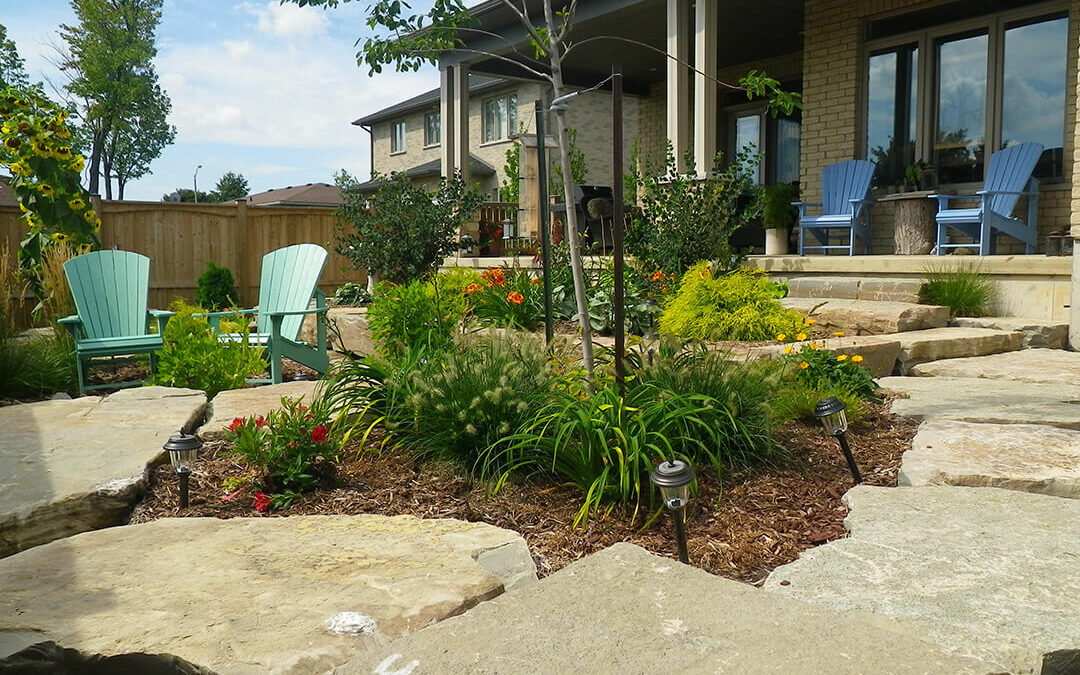
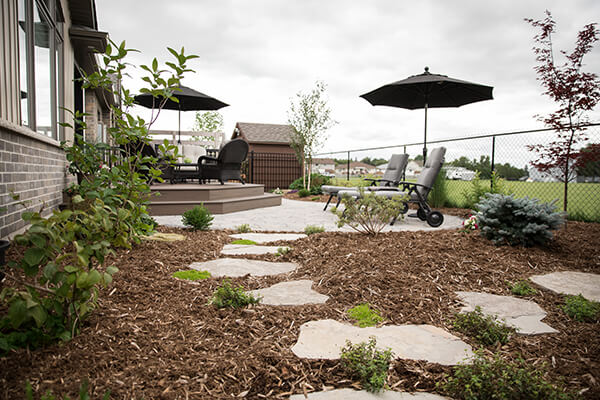
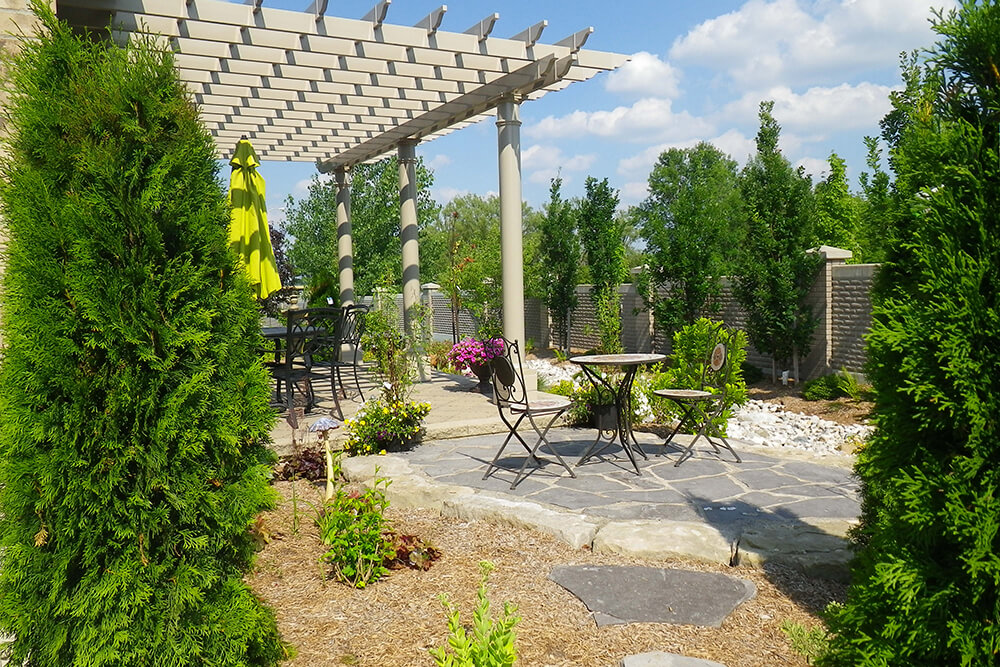
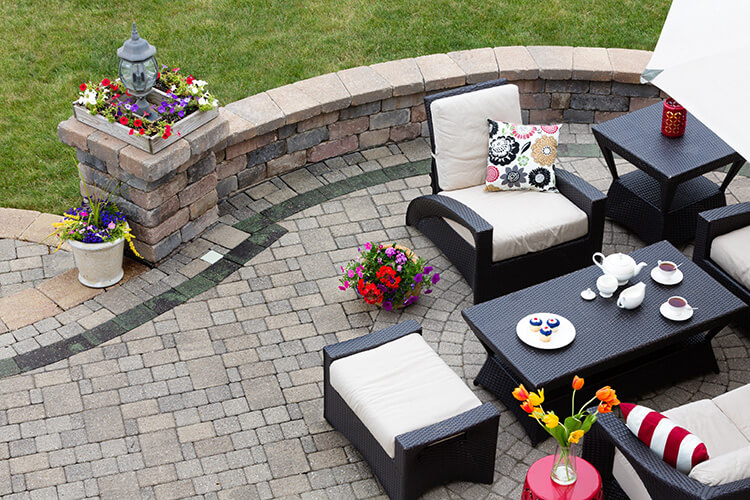
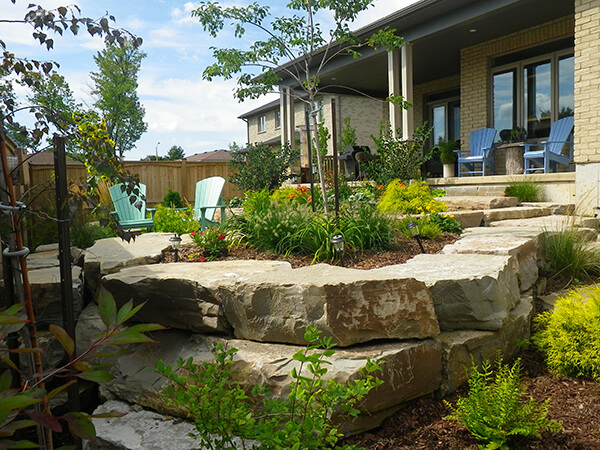 You can also create a cozy gathering space with the addition of a small patio using natural stone, brick, or interlocking pavers. There are even precast stone products that look like flagstone but have a much more uniform surface and are more cost-effective relative to their natural counterpart.)
A small patio is perfect for relaxing or entertaining, and its appearance blends nicely into surrounding landscaping, so it won’t be visually overwhelming. Consider adding comfortable but space-saving furniture to maximize seating capacity.
Visual Impact and Balance
When designing your landscape, be sure to create balance with colour, size and shape. Create visual interest by grouping plants that are different sizes and colours together. Install pathways along high-traffic zones with stones in unique shapes or patterns. You can also add lighting to draw attention to certain areas of your landscape and make them stand out in the evening.
Be Master of Your Domain (Not a Slave to It)
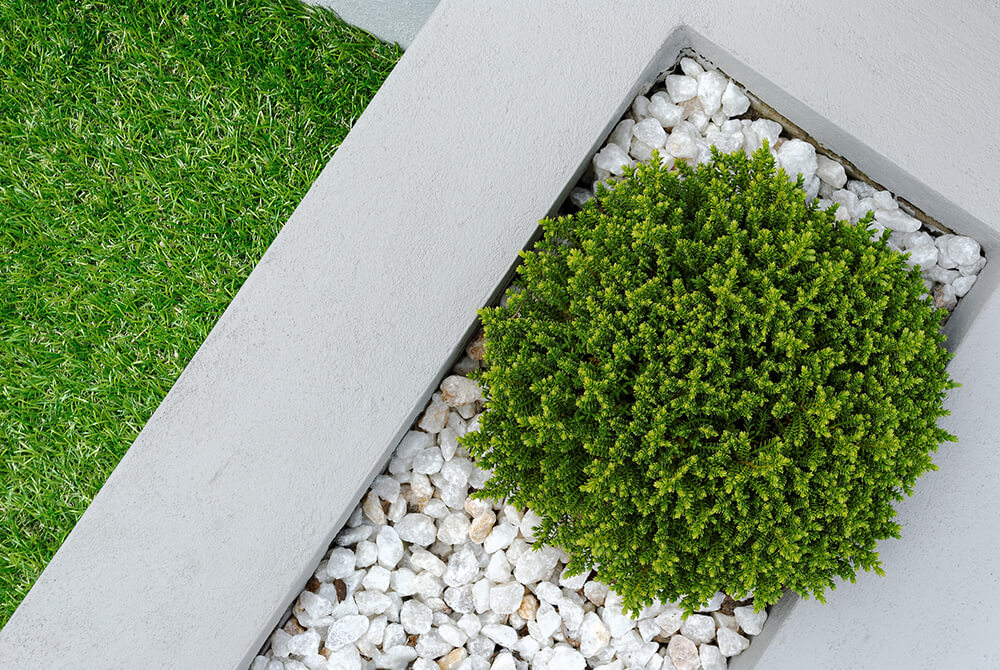
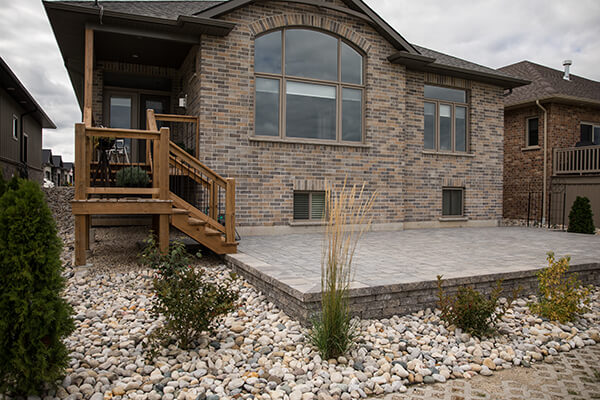 Finally, when it comes to landscaping a small backyard, don’t forget to consider low-maintenance landscape options. Native plants are always a great choice as they require minimal upkeep and thrive in your local climate. Consider hardscaping materials like gravel or river rock over landscape fabrics to prevent weeds from encroaching on your garden beds.
By implementing these strategies for landscaping a small backyard, you will be able to create an inviting outdoor space that is both functional and visually appealing! With the right design elements and thoughtful planning, even the smallest of yards will provide years of enjoyment. If you’d rather leave the landscaping of your small yard to professionals, contact us to get started.

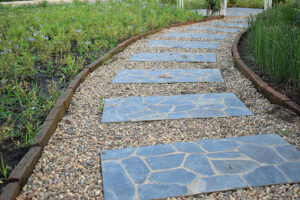
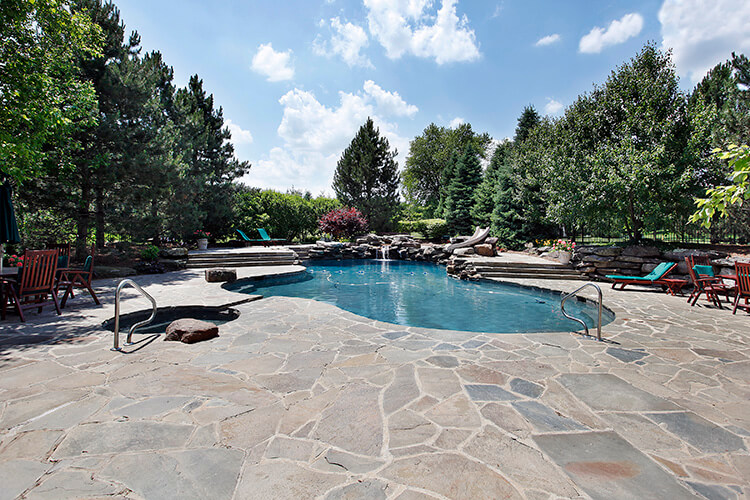
 Flagstone is often one of the first products people think of when they start planning a patio. It’s beautiful and natural, coming in a wide range of shapes, sizes, and colours. While it can be cut into geometric shapes, many like the rustic appearance of a patio created using various sizes that are pieced together to create a walkway and/or patio.
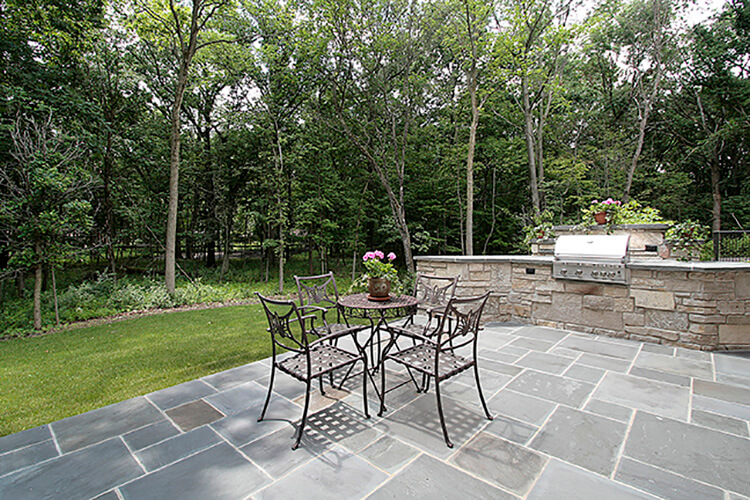 Above, we mentioned the rustic style, which is a subset of traditional and informal styles. The main styles to consider include traditional, modern, formal, and informal.
 There have never been more colour options for engineered stone products than there are today. And even natural stone is available in a wide array of colours and shades.
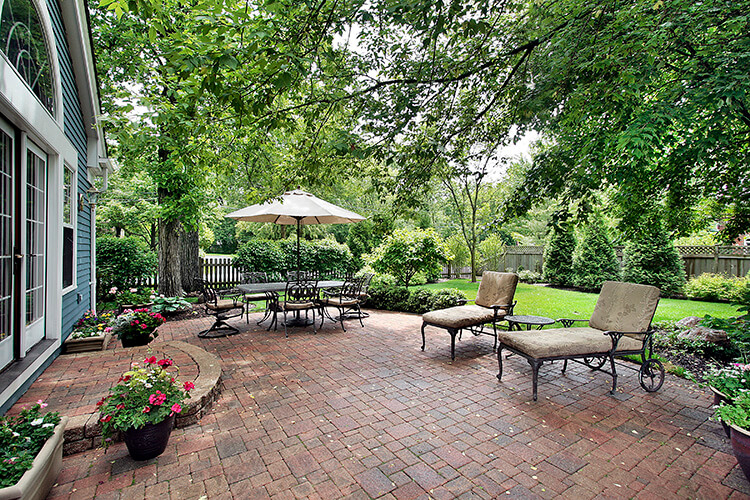 The budget factor needn’t take the fun out of your material selection process. There are lots of great options at every price point. If your budget is limited, consider selecting a cost-effective product as your primary material and then splurging on something a bit more expensive for a border, inlay, stairs, or other accent.
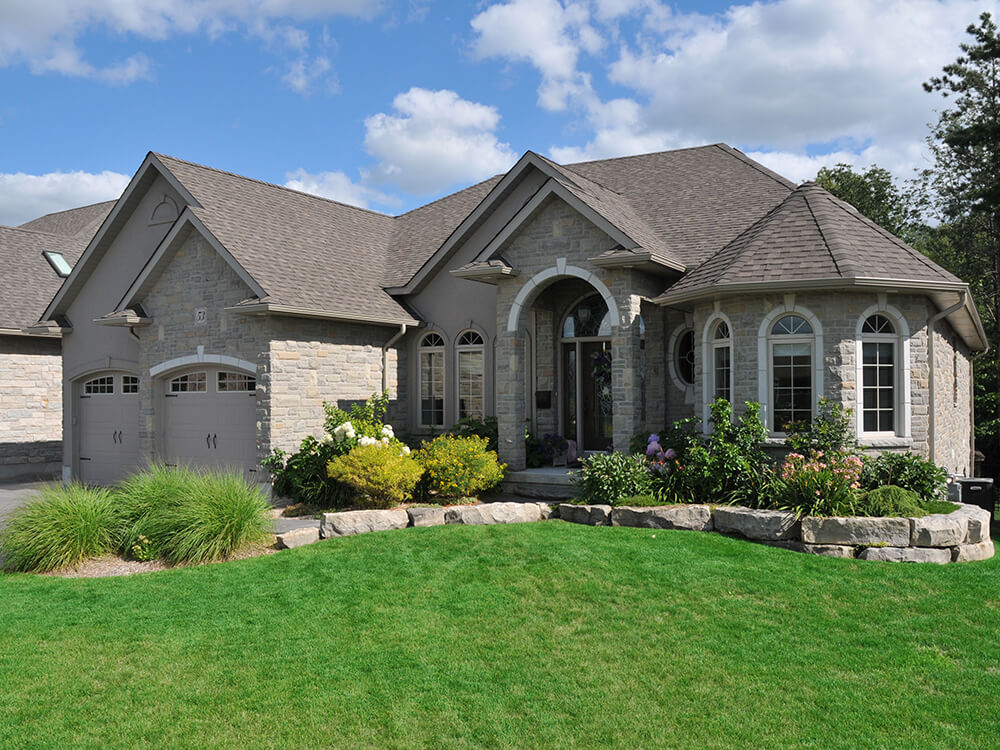 If you search online for ways to increase a home’s value, one method that almost invariably tops the list is to increase your home’s curb appeal. After all, the front of your home provides the first impression for potential buyers, whether they’re passing by or viewing your home online.
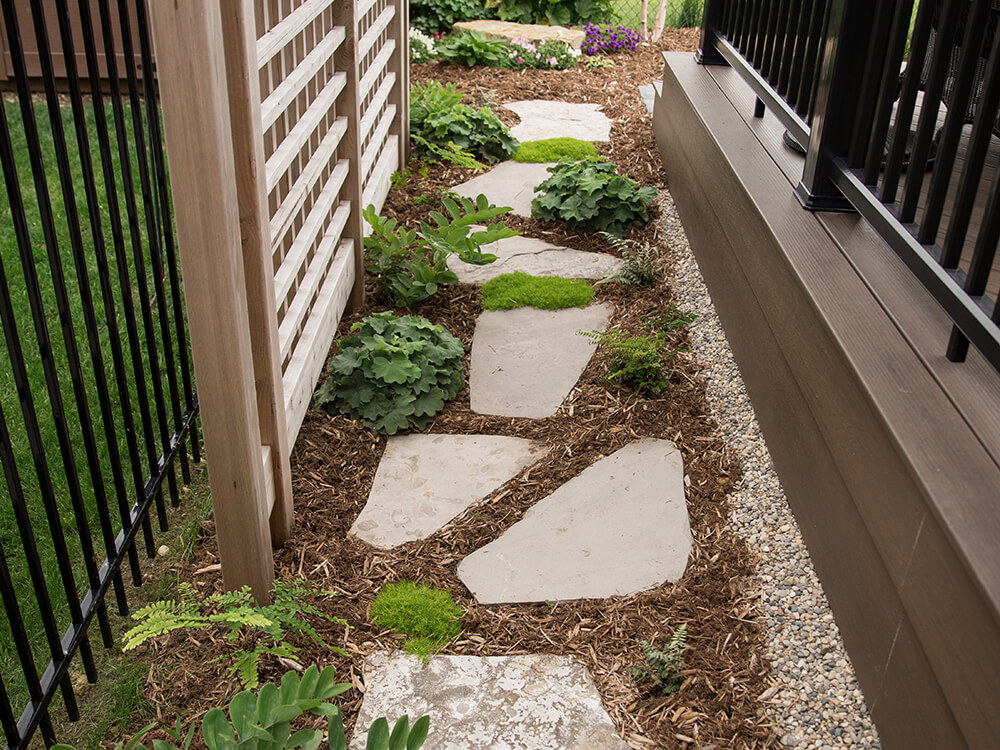 If you’re looking to upgrade your home’s exterior – front, sides, or back – consider updates that will enhance livability, functionality, and practicality. Not only will this maximize your enjoyment, but when it comes time to sell, potential buyers will be able to see themselves relaxing in, rather than working on, the yard and gardens.
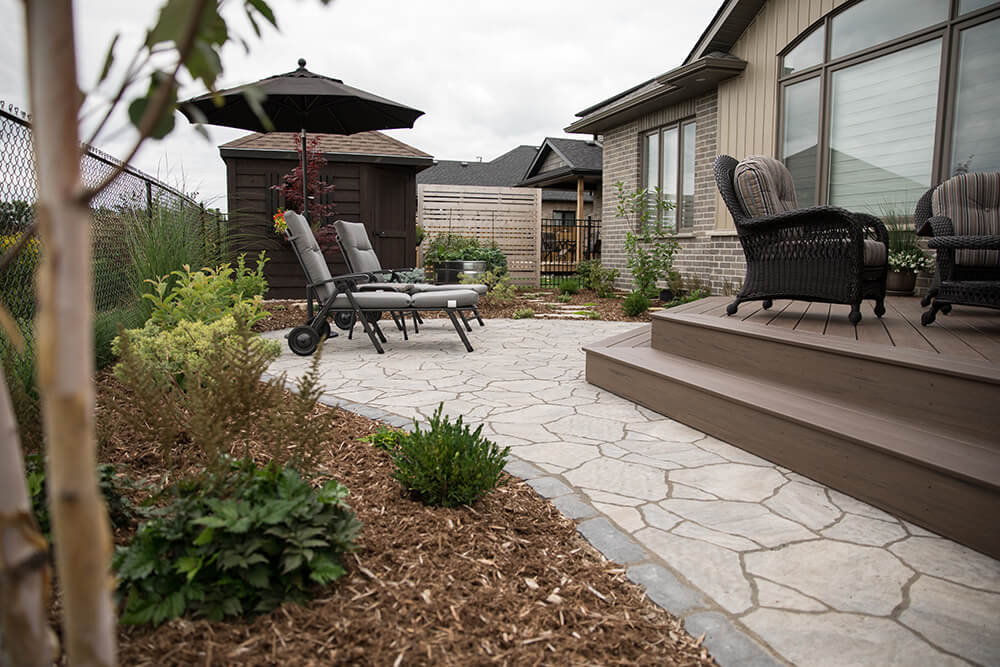 Walkways, patios, and retaining walls are gratifying additions to a home’s exterior. In keeping with the theme of minimal maintenance, though – a focus of almost every one of our customers – we recommend being mindful of the materials you use.
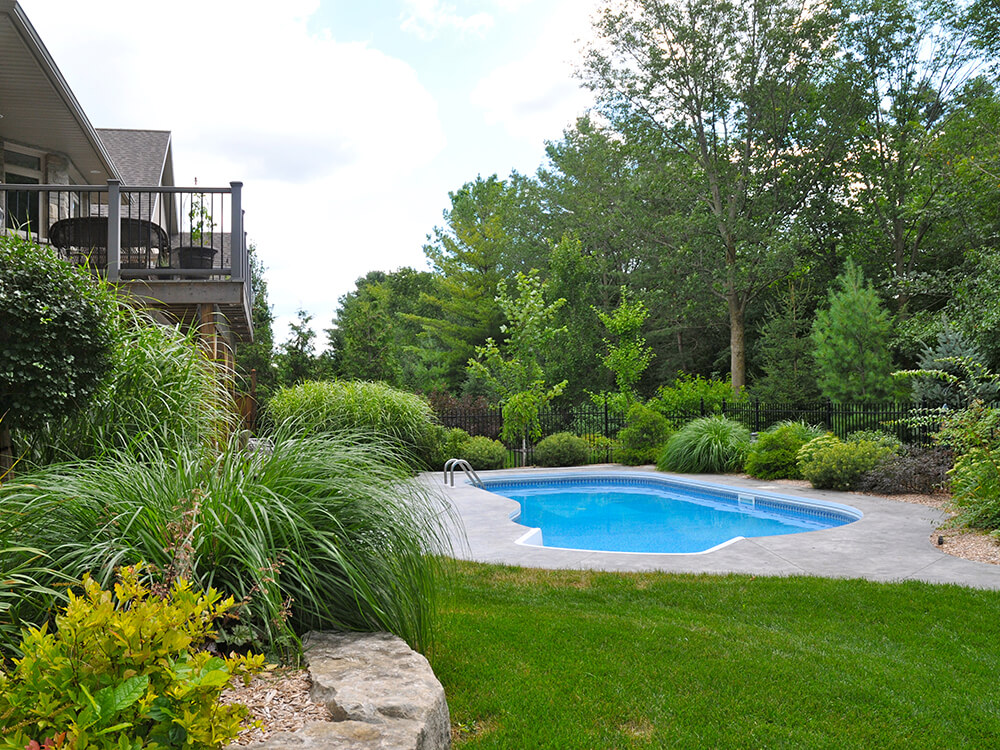 Plants, trees, and shrubs can be used to camouflage imperfections, add privacy, and enhance the existing beauty around your home’s exterior and yard. For example, an exposed foundation can make a home appear old and unkempt. But, planting a balanced selection of plants and shrubs appropriate for the location’s sun exposure can add depth and colour, providing a welcome distraction from your foundation’s drab, grey expanse.
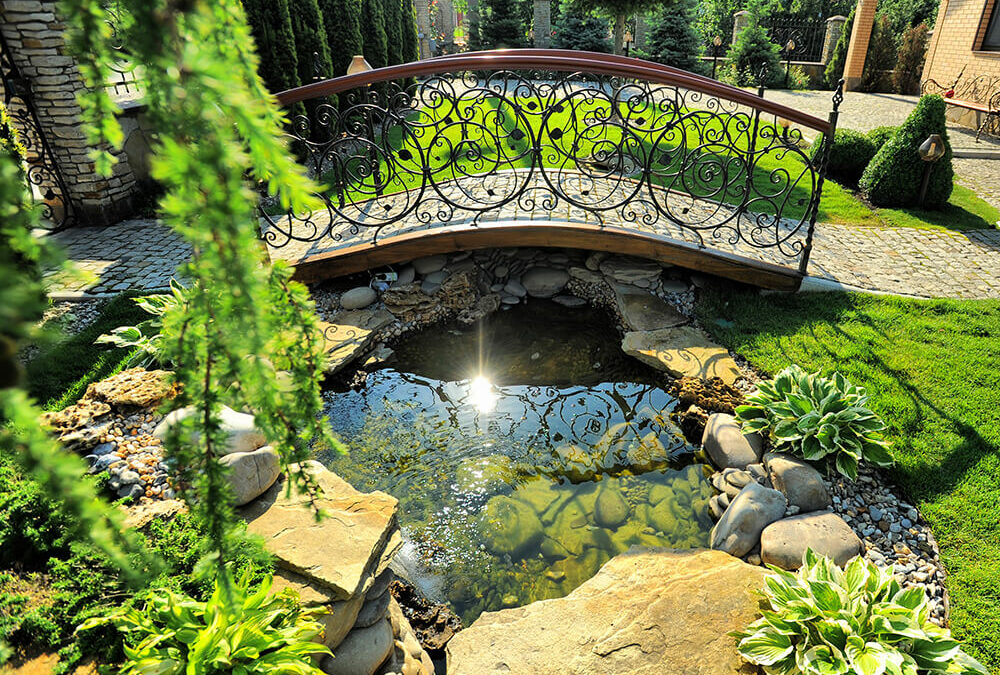
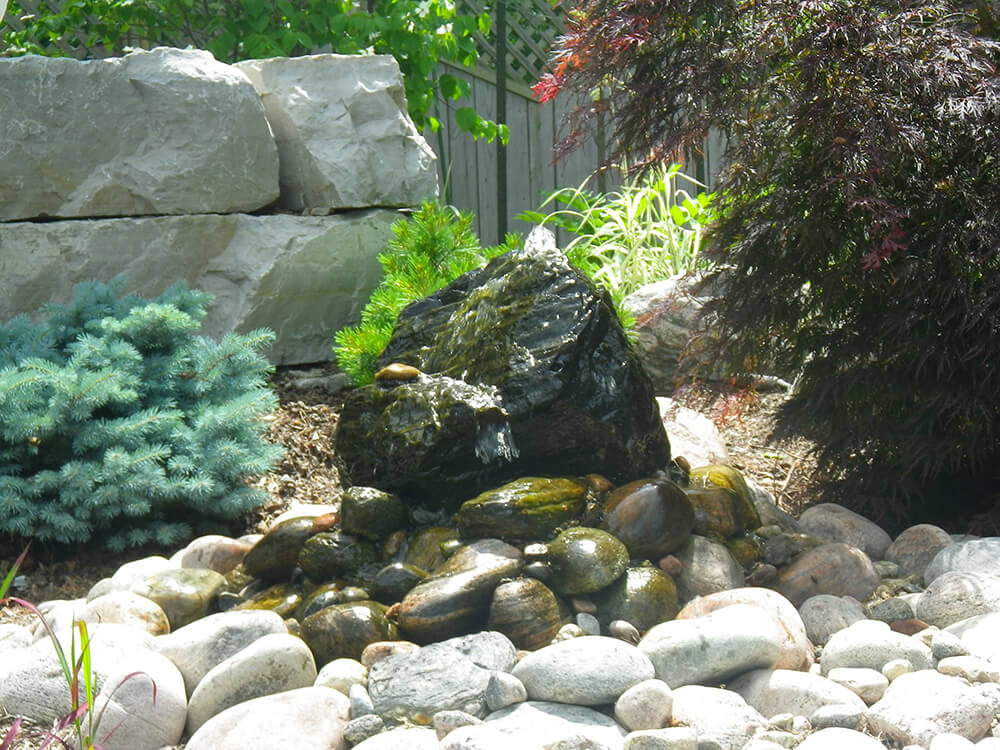 Add unique atmosphere to your outdoor living areas, walkways, and/or front entrance with lighting and water. Ponds, streams, waterfalls, fountains, and bubbling rocks add an audio-visual element that has a universally relaxing effect. And including lighting along walkways, trees, water features, pools, and patios enhances outdoor safety and enjoyment after the sun goes down.
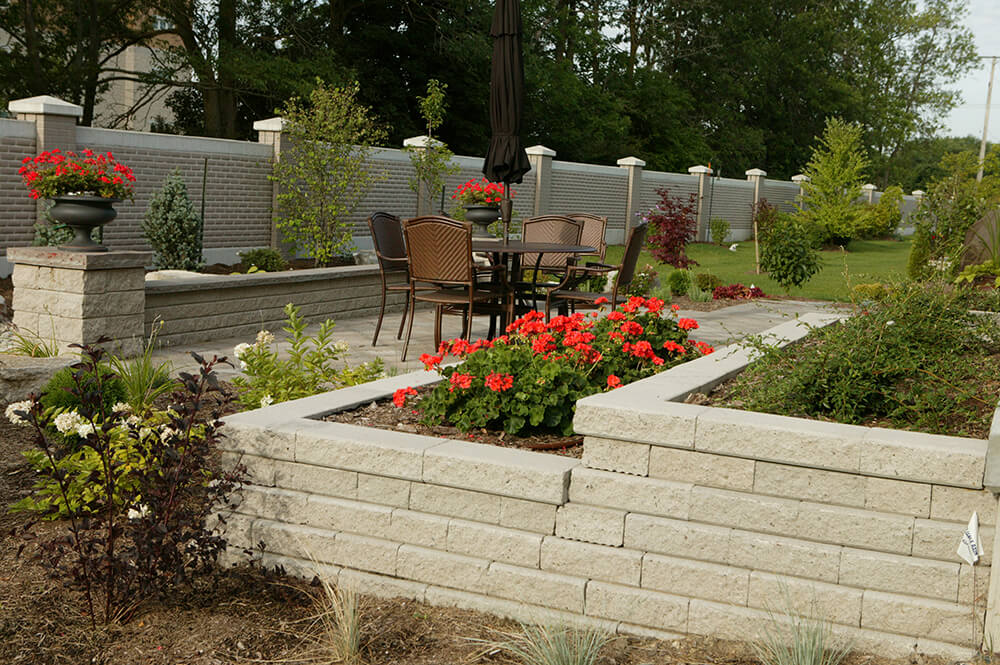
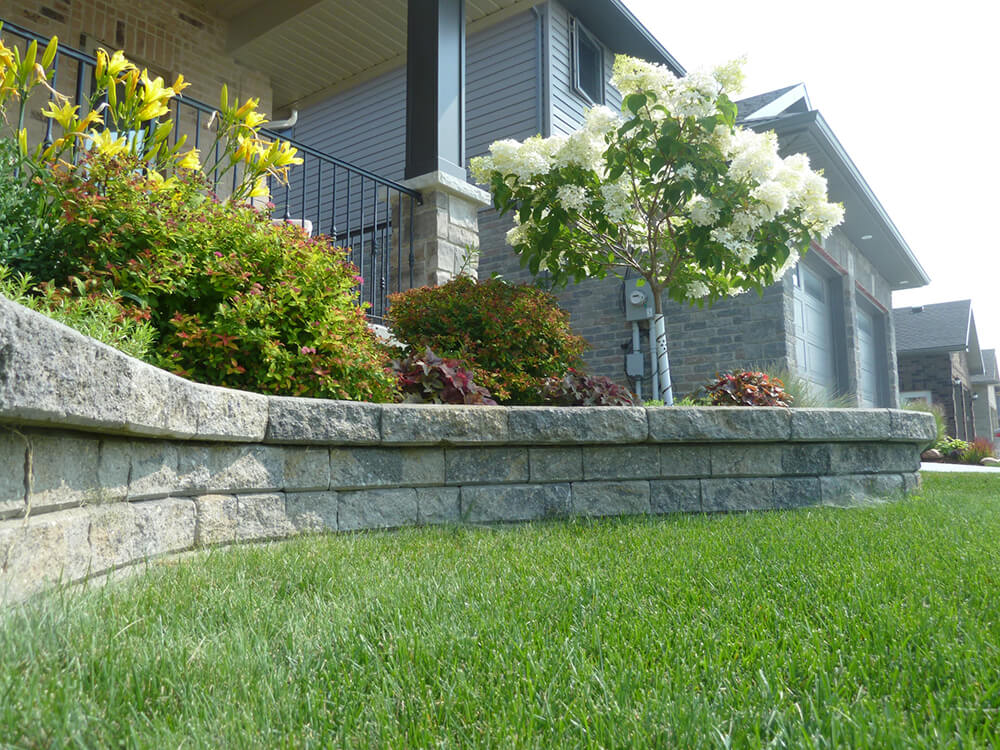 Even though it may look nice at the beginning, a wood retaining wall will begin to weather after a season or two, detracting from its appearance and effectiveness. The structure will need to be treated regularly. And even with treatment, the material may need to be replaced in as little as five years. Plus, the chemicals from pressure-treated lumber leach into the soil, which is not good in general, but especially for vegetable and herb gardens.
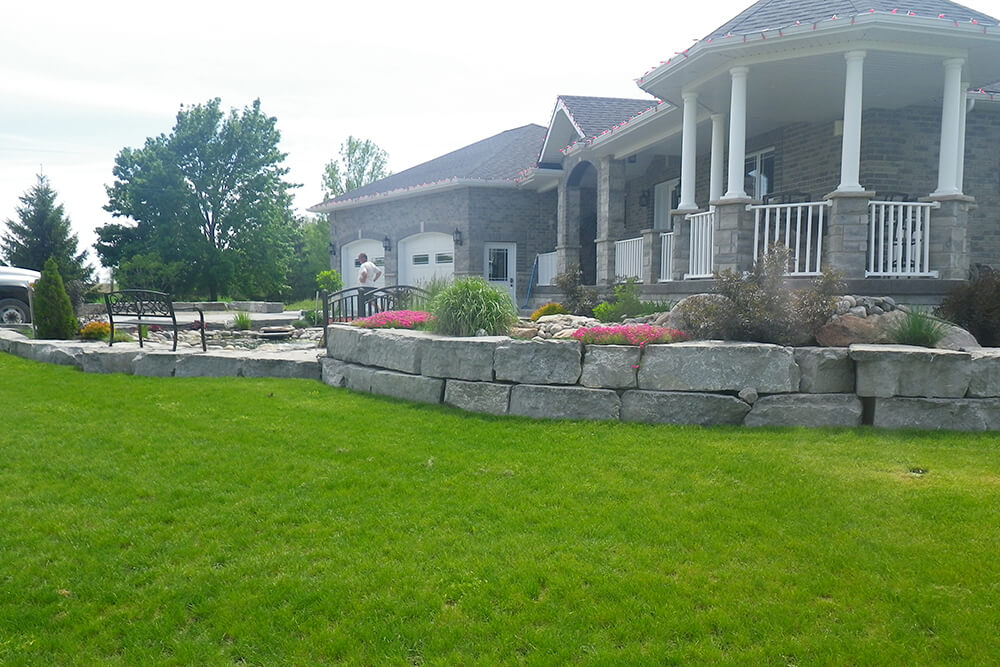
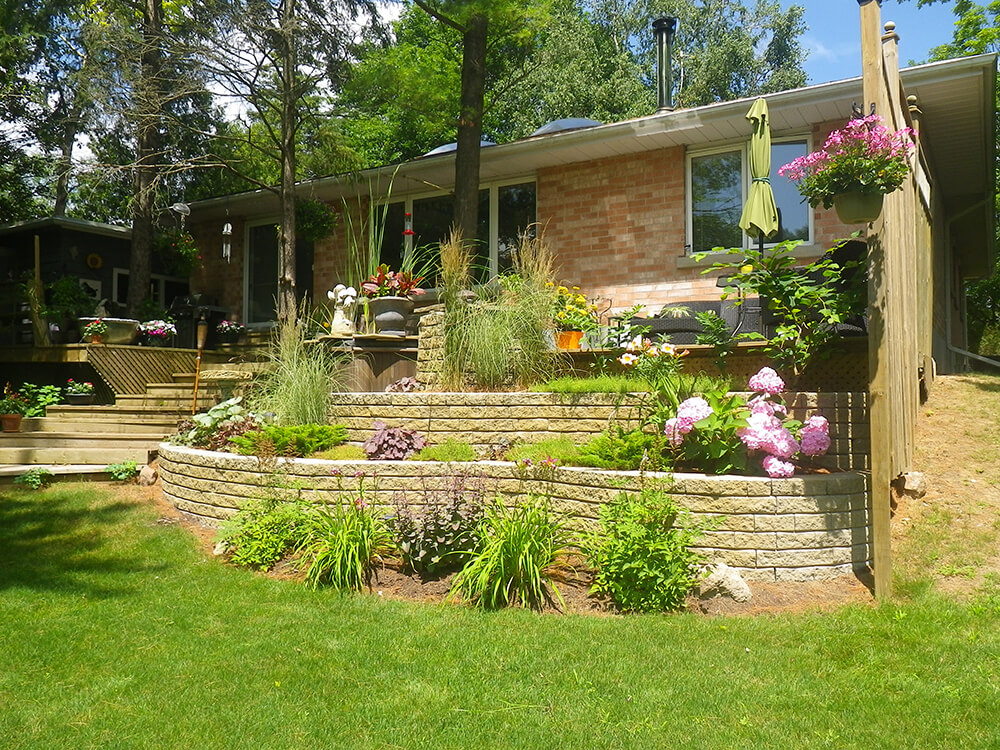 If the slope of the lot in question renders the yard otherwise tough to landscape, one or a tiered series of retaining wall(s) can help create stepped gardens that are much more amenable to hosting plants, shrubs, and trees. Or a retaining wall can convert a sloping lawn into one single level for enhanced enjoyment of your greenspace.
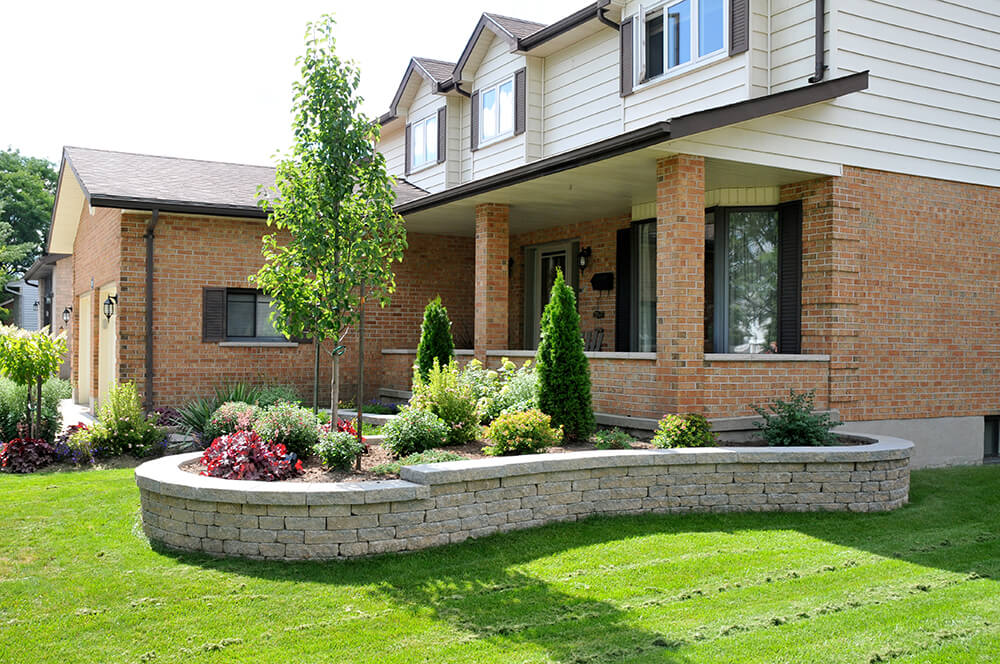 Foundation