
Lawn & Garden Prep Series – Mulching
Episode 2 – Mulching
In the second episode of this series, Johan discusses using mulch to help retain moisture and minimize weeds.

In the second episode of this series, Johan discusses using mulch to help retain moisture and minimize weeds.
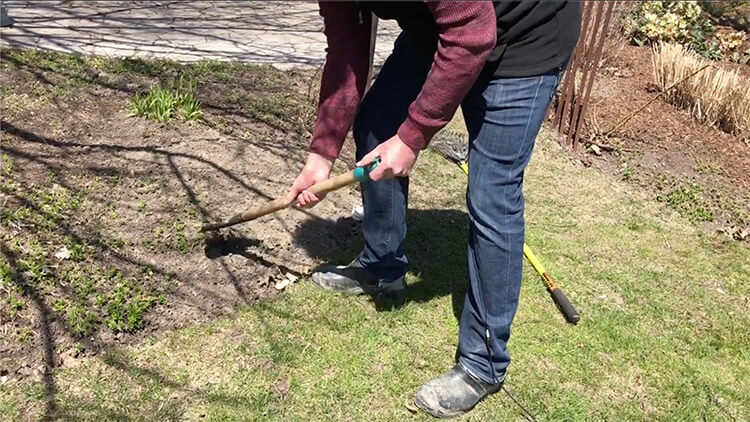
In this series, we’re sharing fundamental DIY tips for preparing your lawn and garden for the upcoming season. Here, Johan discusses when, why and how to edge around your softscaping and hardscaping.

Our first video of this segment is super straightforward, but some get it wrong. Check out this quick video to ensure you’re not causing more harm than good to your lawn and its root system when raking.

There have been myriad reports over the past few months from backyard birders about the decrease in visitors to their feeders. If you’ve noticed this too, you’ll be pleased to know there are things we can each do to radically reverse the decline of small wildlife in our yards.
 It’s all well and good to provide seed and suet for birds, but the solution to population decline requires us to look a little closer. Instead of thinking short-term, say season by season, let’s look at it from a yearly perspective, or even longer.
What we choose to plant directly affects the quantity and activity of small and large living organisms in our yards. If our only priority is a yard that looks pretty, we may be missing opportunities to positively impact the local ecosystem.
We should also consider biodiversity – choosing a variety of species that co-exist nicely. If we also opt for plants and trees that require minimal resources for survival, then we can move toward a landscape that not only looks good, but is low-maintenance and welcomes beneficial interdependent activity above and below ground.
 Wildlife Ecologist Doug Tallamy, author of “Nature’s Best Hope: A new approach to conservation that starts in your yard” offers strong arguments and simple tips for being a backyard conservationist. Here are a handful of his suggestions:
 The good news is this isn’t an all-or-nothing proposition. You don’t have to swap out all of the plant life in your garden and risk disrupting your current modern or tropical motif, for example. Plants that are native to Ontario come in a wide range of shapes, sizes, and colours, so you’re sure to find a few cultivars that appeal to you.
And adding just a few native plants and trees will produce favourable results. Visit our June 2019 post on Choosing Native Ontario Plants for Your Garden or head over to our Native Ontario Plants Pinterest Board for some inspiration.
As always, if you need assistance choosing the right native plants and trees for your yard, or you just want to get started on a landscaping project, contact us.

There are several classifications and definitions of weeds. However, in the very simplest terms, a weed is an unwanted plant in your lawn or garden.
No plant that’s perceived as a weed today has always been a weed. Once upon a time, they lived in a benign location and had no notable negative impact on their surroundings.
The turning point – when a plant becomes a weed – is when it invades a space where it is not desired and/or has an undesirable impact on people, animals, or other vegetation.
So, if they weren’t there to start with, how did those weeds get into your yard? They were carried there – transported by vehicle, animal, or on the wind.
And many seeds don’t need a whole lot of TLC to germinate. As long as they have oxygen and water, and a bit of sunlight, they will grow. So, the big question:

Let’s face it – weed avoidance is not a thing. However, there are strategies that will help you tame the beast and minimize the negative impact of weeds.
Weeds in your lawn and garden are the bane of any homeowner’s existence. But, armed with the information above, you’ll have a better understanding of where they’re coming from and how to control them.
Ready, set, weed!

Are you dreaming of a backyard retreat but feeling overwhelmed by the transition from “patch of dirt” to “outdoor oasis”? Many homeowners know the look they want but struggle with the logistics of soil types, sun exposure, and plant spacing.
A successful garden is an investment of time and resources. At A Touch of Dutch Landscaping & Garden Services, we believe a solid plan is the best way to minimize long-term costs and maintenance. Whether you’re DIY-ing or hiring a pro, here’s how to master the landscaping planning and design process.
Before buying a single plant, you must understand the canvas you’re working with.
Map the Area: Measure your square footage and note fixed elements like fences, patios, or porches.
Track the Sun: Does the area get 6+ hours of direct light (Full Sun) or filtered light (Part Shade)?
Analyze the Soil: Is your ground clay-heavy, sandy, or well-draining?
Review Past Performance: If you’re renovating an existing bed, identify which plants thrived and which struggled.
Pro Tip: Consider the “mature size” of plants. A small shrub today could block your window view in three years if not planned correctly.
The worst place to choose your aesthetic is at the garden center, where every blooming flower is competing for your attention. To stay on track:
Curate Inspiration: Use Pinterest, Houzz, or local neighborhood walks to identify themes you love (e.g., Modern Minimalist, English Cottage, or Traditional Dutch).
Stick to the Script: Having a digital or physical mood board prevents “impulse buying” plants that don’t fit your overall design.
Be honest about how much “garden therapy” you actually want to do. Every garden requires some work, but smart design reduces the load.
Low-Maintenance Picks: Choose native, drought-tolerant plants that don’t require constant fertilization or specialized pruning.
The Power of Mulching: Apply a thick layer of organic mulch or decorative stone. This suppresses weeds, regulates soil temperature, and retains moisture—meaning less time with the hose and the weeding hoe.
Remove “Problem Children”: If a specific plant in your current garden is a constant source of stress, don’t be afraid to replace it with something hardier.
Landscape design is as much a science as it is an art. If you are short on time or lack the technical knowledge for complex “hardscaping” (patios and walls) or “softscaping” (plant installation), a professional ensures the job is done right the first time.
Why Timing Matters:
In our industry, the “planting season” may start in May, but the planning season starts in January.
Scheduling: Our calendars fill up months in advance.
Weather Variables: Spring rains and early frosts can shift timelines; early booking secures your spot in the queue.
The first step is a site analysis. This involves measuring the space, testing the soil, and monitoring sun patterns to ensure you choose “the right plant for the right place.”
To reduce garden chores, use mulch to prevent weeds, install an irrigation system, and select perennial plants that are native to your specific climate.
It is best to contact a landscaping company in the late winter or early spring. This allows ample time for the design process before the ground thaws and the busy installation season begins.
If you’re ready to move from inspiration to installation, A Touch of Dutch Landscaping & Garden Services is here to help. We combine expert horticultural knowledge with stunning design to create spaces that thrive.
Would you like us to provide a custom consultation for your property? Contact us today!